
DSO Deals Decoded: The Hidden Costs of Selling Your Dental Practice by Scott Leune
In this episode, hosts Richard Low and Dr. Scott Leune explore the decision-making process and implications of selling a dental practice to a Dental Service Organization (DSO). The episode delves into why selling to a DSO may not always be...
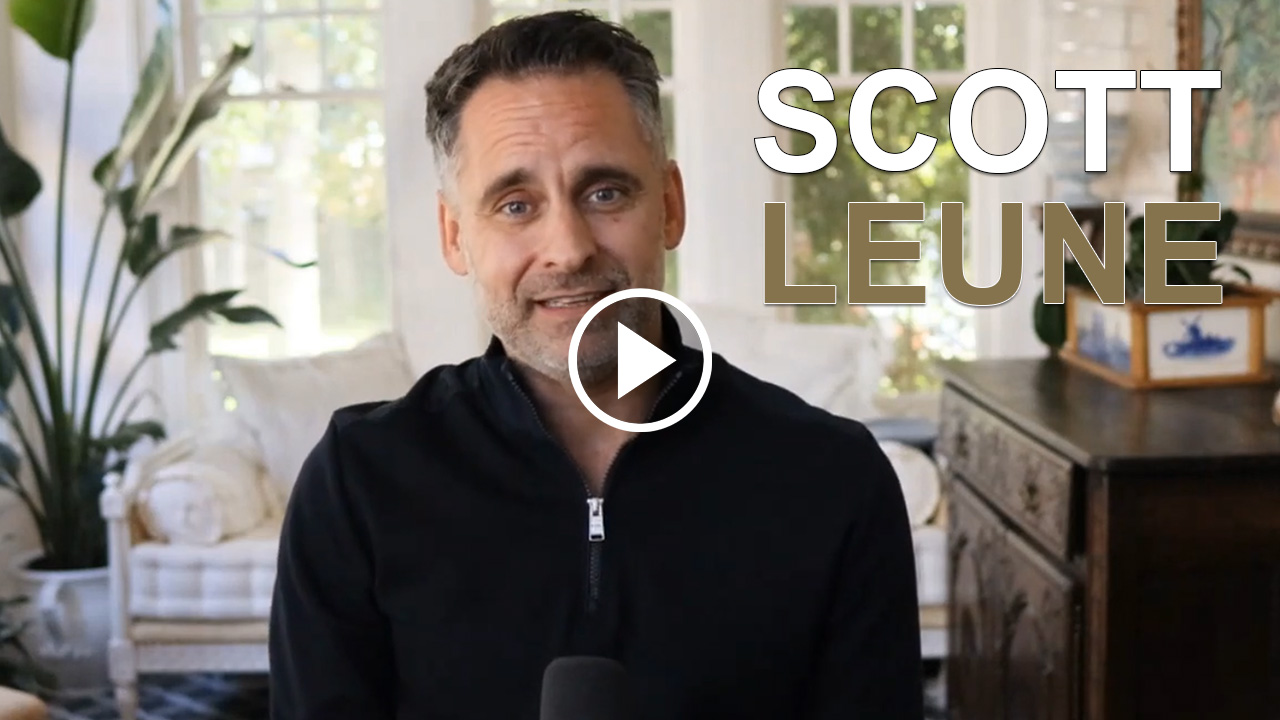
In this episode, hosts Richard Low and Dr. Scott Leune explore the decision-making process and implications of selling a dental practice to a Dental Service Organization (DSO). The episode delves into why selling to a DSO may not always be the best option for dentists and highlights key financial and operational considerations.
Key highlights:
Typical DSO Target Practices:
- According to Scott, DSOs generally acquire practices with annual collections exceeding $800,000 due to profitability concerns.
- Leune emphasizes that smaller practices are often not attractive to DSOs because of higher risks and lower returns.
Valuation and EBITDA:
- Scott teaches us that practice valuations are typically based on EBITDA (Earnings Before Interest, Taxes, Depreciation, and Amortization) multiplied by a market-driven factor, generally ranging from 3.5x to 6x.
- The disscusion is about how selling to a DSO often involves receiving only part of the payment upfront, with the remainder tied to performance benchmarks or stock, requiring sellers to stay on and work for the DSO for 3–5 years.
Financial Trade-Offs:
- Leune explains that dentists often lose out financially when selling to a DSO because the offered multiple is offset by restrictive employment contracts.
- Scott teaches us that retaining ownership, improving operations, and selling privately later usually yields better financial outcomes.
Ownership vs. Employment Mindset:
- According to Scott, selling to a DSO often leads to frustration due to the loss of control and autonomy, especially for dentists accustomed to independence.
- Leune emphasizes that many new graduates and employees working for DSOs seek to escape these environments in pursuit of ownership opportunities, which offer greater independence and control.
Recommendations:
- The discussion is about how dentists should address pain points in ownership, such as staffing or profitability, by implementing coaching or operational improvements instead of selling out of frustration.
- According to Scott, selling to a DSO should only be considered if the financial offer guarantees long-term financial security and independence from future obligations.
Cautionary Notes:
- Leune warns us that selling under unfavorable terms can leave dentists financially worse off due to taxes, debt obligations, and reduced income as an associate.
- Scott emphasizes the importance of proper due diligence with legal, financial, and business coaching to avoid entering deals that may result in more challenges than benefits.
Check out all of Dr. Scott Leune’s webinars.
Here is the full transcript of the video:
Richard Low:
Welcome to the Shared Practices podcast. I have with me my co host, Dr. Scott Luna, and we are going to be talking about something, uh, a little controversial today, a, a question that a lot of people ask, which is should I sell to a DSO.
Should I exit dentistry gloriously and fade into the sunset by selling my practice to a DSO? And what does that really look like? What does that open up for you and the decision making process behind that? So Scott, welcome to the show. And, uh, I’m sure you don’t have any opinions on this.
Should You Sell to a DSO? The Big Question
Scott Leune:
Yeah. Yeah.
Thanks. Thanks again for having me. Uh, and the answer is no. The vast majority of us. should not sell to a DSO. But of course, you know, what do I mean by that? So I guess I, you know, the, the politically correct answer would be, well, it depends. It depends. But realistically speaking, the vast majority of dentists that are selling to DSOs, the reason why they are, and their assumptions about that sale.
Richard Low:
When you look at that and you were to ask me, Scott, was that the right thing to do? I will almost always. this. In today’s world, with today’s terms that we’re seeing, I would almost always say, no, that was not the right thing to do. So I want to talk about that.
Okay. Well, and, and this is interesting because
It’s an evolving answer, you know, it’s like this maybe or maybe wouldn’t have been different a few years ago, but in 2020, you know, going into 2025, this, uh, things change, and we’ve seen more what this looks like on the back end, we’ve seen this play out over and over and over.
Um, so let’s, let’s describe the typical practice, the typical dentist who realistically has an option to sell because there’s, I think there’s a size of practice that just really isn’t attractive to a DSO. And so it’s really not even worth going through the, the mental exercise. So if you were. You know, a DSO, what would be the types of practices or, or if you were a dentist selling, how could you self identify as I even have this option?
DSOs: The Target Practices
Scott Leune:
Yeah. A lot of DSOs, even still today, are looking for practices that are collecting 800 grand a year or more. Um, when you dip below 800 grand a year, um, it, there’s, there’s a significantly higher chance that the DSO would have losses or struggles. And so, you know, and, and also from the DSOs perspective.
You know, it takes a whole lot of work to try to fix something, to try to grow something. That same amount of work could be put towards larger practices in the network, and get a huge return on that work, compared to what might be a small or even no return. Um, trying to put a lot of work around a practice that just isn’t making money.
So when you get below 800 grand or so a year in collections, you’re really getting into that red zone where, you know, a whole lot of DSOs are by, you know, when it, when the deal comes, it’ll say, we’re not interested. Um, but. Also, remember, those DSOs have salespeople, those DSOs have people out at the conferences and people answering the phones whose job is to get kind of cast a wide net and get a lot of interested dentists coming in so that they can filter and sort through the deals.
So you may talk to a DSO initially with a small practice and that DSO initially that salesperson may say, you know, that is something we’re interested in, but the reality is, you The vast majority of the practices DSOs are buying are going to be bigger than 800 grand of your collections, many times even bigger than a million in collections.
So that, that might be kind of one, you know, boundary we draw out saying, you know, if you fall outside of that, um, you’re probably not going to have a lot of DSO buyers, you know, interested.
Richard Low:
Well, and a point you made, um, which was a wake up call for me. I, I was involved with a, a purchase of three practices with some partners, um, great guys, great company, great DSO, but I didn’t realize how when a DSO is growing via acquisitions, They need to buy healthy EBITDA. They need to buy healthy practices that can cashflow with the loan, despite having, you know, paid more than a general dentist would pay to another general dentist to buy it.
Um, and it is really hard to then tweak and grow that practice. Like you said, um, and for me, boots on the ground, I want to expand. I want to grow. I want to implement, uh, these changes that we talk about in, in your seminars and ours. And, and realistically, That is a journey that involves dips in profit, involves boots on the ground, leadership involves a risk, and a DSO can’t really afford to tweak and grow a practice from a million to two to three.
That’s just not in their wheelhouse typically. And so Knowing that, uh, for me, that was a wake up call of like, okay, they need to buy healthy EBITDA, prove it a little bit, and then continue to have that healthy EBITDA on their books to get loans, to be able to buy more practices. And that’s just the name of the game.
Scott Leune:
Now, you know, there’s also a boundary on the practice side. When you kind of think about this, you DSOs will have a hard time kind of looking at practices that in general are less than 800, 000 in collections per year. But, you know, when you’re a private dentist and you own a practice, um, where is the boundary where in general you may not be able to sell privately, you know, so that’s a whole different kind of boundary, you know, at what point am I too big to find a private dentist to buy my, my organization, you know, and, um, I don’t know if there is kind of a rule of thumb with that.
But what I know is that banks. Banks, the banks we typically go for the, the, the, I’m not going to name any on, on, on record here, but there’s, there’s three or so large banks in dentistry that are funding acquisitions, funding startups. And those banks oftentimes have kind of a cap on how much they’ll lend an individual dentist.
Whether the deal is great or amazing or okay, there’s going to be a cap on the person. And that cap, I’ve seen that cap around 2 million. I’ve seen it around 3 million, but there’s definitely this cap that kind of comes into play that makes it difficult for the seller to sell to one individual, uh, if they’ve got a practice that’s worth more than the two or the 3 million. Have you seen that?
Richard Low:
I have. And, um, I think there’s also a psychological aspect of that as well in that they know that they are very attractive to a DSO. They hear numbers, they hear multiples, and so it actually makes it even harder for them to sell to an individual because not only are the banks not lending beyond a certain point, they also get their heart and their expectations Just set a little bit higher because they know what’s possible.
And then when they go to negotiate or deal with an individual buyer, there’s this like, well, my practice is worth, you know, 4 million, even though, you know, it’s a 3 million collections practice, but it’s profitable. It’s worth it. The EBITDA justifies that price. Um, But banks won’t lend it and an individual buyer can’t, can’t buy that.
So it’s kind of a, a both and the banks and the expectations of the seller, both inhibit an individual buyer from, from buying those types of practices.
Scott Leune:
So I think what we need to talk about, on one hand we need to talk about, you know, how AXS are valued.
And then the next thing we need to probably talk about is, um, you know, what the DSOs require of you. Why I would say it’s a bad deal. And then we may also need to talk about this thing that says, okay, um, how do I sell privately? You know, if, if one individual buyer who wants to use a traditional dental bank can’t get enough money to buy my practice, then what, what are the other options?
Does that sound, does that sound right to you?
Richard Low:
Yeah. And, and before I lose it, I did want to share one thought, which is related to what you were talking about earlier of you get organized, quote unquote, by having corporate HR, corporate, you know, accounting, all of these things. There are some stressors that I think practice owners believe will go away when they sign up with a DSO.
And that might be the reason that they do. So some of the stressors will not go away in terms of managing day to day Patient care is still hard.
Alternatives to Selling: Coaching and Operational Improvements
I would challenge people before you think about selling to a DSO in order to escape the stressors of running a business, why would you not try dental coaching? Like, why would you not try accountability and support and see if you can build those systems yourself and in the meantime, you’d be more valuable.
So if you do go sell to anyone else. You’re, you’re in a better position. Um, and you might just find that you don’t hate dentistry anymore and you don’t need to exit because you’ve built a sustainable business. So I don’t know, I just had this light bulb moment. I think sometimes dentists think that that will solve their problems and it’ll be easier to run our practice because they’ve, they’ve sold.
Scott Leune:
Mostly it’s below 20. Okay. But that is, that is kind of the EBITDA number. The value of your business is that number EBITDA times a kind of going rate number for a practice like yours. And that might be, uh, it might be five times EBITDA. It depends on the market, depends on the conditions, depends on who you’re.
Selling to depends on how fast you’re growing or how slow you’re growing, what your payer mix is or isn’t. Um, you know, depends on different risks. Are you in a rural area or not? Um, but in general, it’s going to be some number, let’s just say a range of something like three and a half to six. If we just had to come up with a range and I know that’s a big range, but it’s that times your EBITDA that gives you a valuation.
Does that, does that sound right to you?
Richard Low:
Yeah. Um, I don’t know if we need to provide a concrete example of like a 2 million practice with some amount of EBITDA. Uh, can we, can we do math on air?
Valuation Basics: EBITDA and Multiples
Scott Leune:
Yeah. Let’s do it. Let’s do easy math. So we got a million in collections. My take home pay has been, let’s just call it 500, 000, but that’s not EBITDA. So what’s EBITDA? Well, I’m going to pay all my bills. I’m going to pay me as a dentist, maybe, maybe I produce 800 grand a year with my own two hands and I should be paid 250, 000 for that if I were an associate.
So that’s an expense. 250, 000 is now an expense, right? And so we’ve got this million dollars of collections. Now we’ve got a 250, 000 expense for me being the dentist and we’ve got all the other expenses we typically have. And maybe at the end of the day, You know, of the million dollars, we calculate that we’ve got an EBITDA of, I’m just going to make something up, 180 grand EBITDA, okay?
If I multiply that times a four and a half multiple, then that practice is worth 810, 000. We collected a million, it’s worth 810, 000, was a four and a half multiple times the EBITDA that we said we had was 180 grand. Does that make sense?
Richard Low:
Yep. That was great. Thank you.
The Financial Trade-Offs of Selling to a DSO
Scott Leune:
Okay. So, um, well, what happens when you sell to a DSO? Every DSO has their own kind of set of terms. Then they might have their own multiple. They might have their own kind of conditions around calculating their version of your EBITDA, right? They, they, they have requirements. But for the purposes of simplification for podcast, I’m going to say that the most, one of the most common ways of buying a practice as a DSO is giving them a multiple of, let’s just say five times EBITDA.
It’s maybe not even giving them a hundred percent of that money up front. Maybe we’re giving three fourths of the money up front, just making something up. But maybe it’s something like that. And they’re going to need to stay on for four or five years as a dentist. Right?
Richard Low:
Which, which is pretty funny to me when you, when you think about what EBITDA is. Profit per year.
Scott Leune:
What you’re alluding to is the big take home message from this podcast episode, probably. But this is the, I’m not going to name any of the DSOs, but the Jumbo DSOs that all of us probably know. Some of those will follow a structure very similar to this. So, what we need to do is we need to do some math for a second.
To, to compare selling to a DSO with terms like this versus not selling to a DSO that has terms like this. But before that math, I just want to make sure we all understand here. So and, and, and jump in if you need to add some more explanation here. But number one is let’s just assume five times EBITDA might be a typical number we’d get from a DSO.
I think that’s a pretty safe assumption. for at least for an example, right? Also assume that we’ll need to stay on, let’s just call it five years, sign a five year employment agreement where we are going to sell to a DSO, but we’re still going to practice as a dentist in our location. And so we’re going to be paid as an associate and we have to do that for five years.
And many times we won’t get the full purchase price up front. we might get some of it only after those five years that we worked. Although we might get it all up front, but it’s very common. We don’t get it all up front. So another way of saying this is if you, if you sell to a DSO, you still got to work five years.
Well, let’s compare that. If we’re going to have to work five years, then let’s just compare that to owning the practice for five more years and selling to a private dentist at the end of it. Let’s just compare those two paths for a second. They both mean we’re working for five years. One says we’re going to sell to a DSO and then work as their employee for five years.
The other one says, well, shoot, let’s just work for ourselves for five years and then sell privately. All right. So we sell to a DSO on day one, Richard, what’s the multiple we get?
Richard Low:
5X, but then whatever percentage of the 5X.
Scott Leune:
Let’s just say we’re lucky and we get all of it up front on day one. Okay. Okay, so we get five X. That means five years worth of EBITDA.
Richard Low:
Profit, true profit.
Scott Leune:
Yeah, on day one. But then we’re going to work five years. So we’re also going to, over those five years, get five years of employment pay. Right? So by the end of five years, we got five years of EBITDA plus we got five years of employment salary.
All right. What about if we were to, um, sell privately, but work five years for ourselves first? During those first five years of working for ourselves, we would get those five years worth of EBITDA, because we own it, and we get five years worth of employment salary because we’d be paying ourselves that.
So we’d get the same amount of money as if we sold to a DSO, but the difference is we also get to sell our practice at the end of five years privately. We might get another five times EBITDA. So at the end of both of these paths, On the private path, we owned it for five and worked in it for five and then we sold it for five multiple.
So we get 10 times EBITDA and five years salary. On the DSO path, we sold it and then had to work. We only get five times EBITDA and five years salary. So you can see by selling to a DSO, we have dramatically less money. That is nearly always the case because DSOs typically offer us a multiple that is not that much different than the number of years we’re required to work there.
Employment Agreements: The Hidden Costs
You see, every multiple of EBITDA we get and every year of employment we have to give cancel each other out. So if they give us five years of EBITDA, but then make us work for five years, we just gave them our practice for free. And so what some of the DSOs are doing is they’re promising a high multiple, like we’ll give you seven times EBITDA with a five year employment agreement, or we’ll give you eight times EBITDA, but you’re only going to get five of it up front and the other three you’ll get on the end, but only if this practice hits a certain benchmark or, or we won’t even give it to you.
We’ll just give it to you in our company stock. Right. So, um, what happens is you, you start getting, um, distracted by all of these kind of financial manipulations that are happening in the deal to try to sell you that this is a very good deal. When the reality is that any deal that makes you stay on and work takes away from your net to pay out.
Compared to if you were to just own the practice yourself. Even if you wanted to work, you might as well work and own it and sell it after that or shoot. I mean, why, why not bring on a consultant? Like you said, while you’re putting in your last five years and maximize that practice so that when you do sell it, you have an even higher EBITDA and a much higher valuation.
So I know that what I’ve said is all maybe very confusing. I’m going to stop talking for just a second here, but let me just say this take home message here. When you sell and you sign an employment agreement, you are canceling out your sale price. You are much better off almost always, um, just owning it longer.
Instead of working for someone else and when you’re done working, just selling it, even if it’s a smaller multiple, you didn’t have the cancellation of your purchase price by an employment agreement. You still net way more money.
Richard Low:
I’ve never heard it put so clearly, but it’s obvious once you say it, the, the EBITDA. The years working back cancel each other out. I like it that you had to, yeah, I almost stole your thunder on both points of, uh, you know, I, the, the story and the buildup, I was like, Oh, well, you know, I can start chuckling at the five years and the five EBITDA, um, as well as the coaching.
So I had a friend who. Was considering this. Um, and I, I actually think there’s a big difference between doing a startup with a DSO or coming into a DSO and partnering where the expectations are very clear from the beginning of here are your responsibilities, here are responsibilities here. What are the profit sharing components of this?
There is a, there is more pain in loss than there is satisfaction and gain. And, and one of the losses that you get going into a DSO. Is a loss of control, especially a loss of the ability to spend money on whatever the heck you want to hire employees at whatever rate you want to expand, to invest in technology, to run things through the practice.
And so, you know, I, I told him, I said, it will be painful, um, that working for someone else and not having control of the checkbook when you previously did. Is going to be painful if you are an owner with an ownership mindset. And so regardless of the financial, maybe you’re in a, some situation where you’re getting such a good multiple and the, and the payback is not as, as onerous as you were describing.
And it’s somehow the math still works out. I think there is also. a big risk in staying on those three years, those five years, and what that does to someone’s psychology who is an owner mindset to then have to not be an owner.
Ownership vs. Employment Mindset
Scott Leune:
Well, let’s think about this. Where the, where does the new grad go for a job? Dso. So often they go to A DSO and they haven’t experienced being an owner yet.
They haven’t experienced being in control. They haven’t paid their dues to get to a point where like they have crafted their environment that they practice in, whether that’s the, the, the people that are there or the, the processes or the rules or policies of the practice or the hours they’re open or is there another dentist there or not?
See, they, they got to make all those decisions. If you’re an owner, when you’re, when you’re a young grad and you go into DSO, you don’t even know that stuff yet. Okay, now let’s put that aside for a second. Now you got an owner that’s, that’s kind of lived their career that way. They’re going to start working for the same people that the new grads are having to work for in the same practices that the new grads are actually running away from these new grads that have been in these practices They’re coming to my seminars to learn how to buy or start practices from scratch so they can escape the DSO world that they just can’t take anymore.
That’s the world that these mature owners are selling to and agreeing to then work in. And, um, I could tell you a quick little story. I had a dentist come to a recent seminar of mine and he’s in a DSO and he was given, you know, the whole DSO spiel and pitch and he, and he bought into that pitch and he ended up having stock in the DSO and you know, everyone’s like greed, kicks in with their, if they see some way to own stock in the DSO, not even understanding that that stock is heavily overvalued when they get in and that they can’t sell it to anyone.
They have no control over it. And it’s a, it’s like a second class stock with no voting rights or anything like that, but they got stock. So they think, Oh my God, someday, someday I’m going to make it big. Well, his stock got diluted a thousand to one. It got diluted down to nothing because his DSO was in financial trouble and they had to bring in a new private equity group that in order to make the valuation work for the private equity group, the private equity group had to just dilute everyone’s stock down to worthless to come in to try to save this DSO, you know, and so what did, what was his experience?
He’s having to have some, you know, regional manager that is basically controlling his practice. He’s having to answer to an office manager. There’s sure some clinical director somewhere that he never sees or talks to. And you know, if I’m the DSO, I’ve got an owner that produces well, but I know that their employment agreement is going to run out.
I’m going to put more doctors into that location to hedge my, my, my bet here on this, on this situation. I need to get the risk out. I need to, it. Slowly replace this doctor with maybe two other doctors who could bring in the same amount of collections. So what is that like? You know, you had a practice that was just you.
The Downsides of Working for a DSO
Now you’ve got other dentists in there doing other kinds of dentistry. You’ve got other decisions being made. You’ve got kind of this corporate umbrella that controls everything but is faceless. So, so often and you’re in an environment that the new grads get sick of and try to run away from you opted into that and you’re there for four or five years.
Ah, I think that you’re, you’re, you’re going to be feeling some new pain points than, than when you used to be an owner. See, we shouldn’t escape ownership pain by just selling to a DSO because we’re going to be trading that pain for other pain. We should maybe either fix that ownership pain or we should sell our practices without having to kind of sign in blood that we’re going to still work there for four or five years.
Richard Low:
The whole model of acquiring practices and incorporating them into a group and trying to standardize things and build a culture that’s cohesive. It’s just really hard. I mean, from, from the DSO side of things, every single office is this jumble of systems that maybe were not replicated from office to office to office.
They’re having to adapt everything that comes into their environment and culture. In my opinion is one of the hardest things to scale in dentistry. The culture of any given office is a microcosm of who the dentist is, who the office manager is, their interactions with anyone above them. And those are very difficult things to scale, especially in an acquisition model where it’s not cohesive from the start.
There’s not this philosophy, these core values that are actually exhibited in the way that a startup can
You can build those things and kind of have this momentum across offices. So I, I think there’s just, it’s just really hard to do. It’s just really hard to do from both sides and the money feels like it makes it all worth it.
Like it’s like, okay, this is going to be hard. It’s gonna be hard for them. It’s gonna be hard for us. They make it seem like it’s going to be really easy and it’s all going to be rainbows and a pot of gold at the end. Um, but it’s, it’s a massive challenge to try and marry. All these individual practices up into a mothership, um, that, that don’t look alike at all.
Scott Leune:
It’s a big problem. Don’t think that when you sell to a DSO, suddenly your practice is going to be buttoned up and fixed up. Like every Chick fil A location operates the same way and they figured things out. That is not what happens whatsoever. It’s more like your practice is going to be duct taped to some kind of corporate mother.
And that mother may not give you the attention you want and you may not like how that mother is parenting you. You may not even want to be parented to begin with, but that’s what’s going to happen. And that mother is going to suck profits out of that practice. Heaven forbid you still own a piece of it.
You are going to see the vast majority of her profits be sucked out in expenses to the corporate group before you get any sort of split from that. Now, of course, you know, I’m not talking about. The outliers, right? So anyone listening to this, please don’t take my words, um, out of context here, but I am talking about the vast majority.
I don’t know if it’s 90, 10, And I don’t know, but the vast majority of situations you are going to have a financial deal that doesn’t make a lot of sense when you really understand the business side, you are going to have an experience that might trade one pain point for another pain point. And at the end of the day, you’re not going to have a deal usually that I would deem worth it.
Um, you know, here’s the other thing, if, if let’s say you’re, you’re, you’re used to taking home 400 grand a year as an owner, now you’re going to be an associate and you take home 200 grand a year because the other 200 was profit, right? Well shoot, you know, I realized you got a five multiple, but you’ll burn through the money in five years.
And then what are you left with a job that pays 200 not a practice that was giving you You will, you will live away that money in no time. So it’s like if you’re selling and it’s not enough money to set you for life, then you’ve got to replace that income stream if you’re unwilling to dramatically cut away your lifestyle.
Selling will give you five years of money up front, but then after the five years, you’re left with an associateship. You see? So you got to either sell for enough where you’re set for life, you’re done. Or, realistically, if you sell, you need to go build the next thing that gives you an income stream.
Which, which could be another dental practice for a lot of people.
Richard Low:
And oftentimes I think should be if that is the vehicle that, uh, you know how to run and, uh, compared to other benefits, uh, businesses, we have an unfair advantage in dentistry, uh, because of all the barriers to entry because of your experience. And so ironically looking around, you might realize, or trying a bunch of different things, you might realize, actually, I’m kind of best at running a dental practice compared to any other business or investment.
Scott Leune:
Well, we’re, we’re blinded by the pain. So we don’t see that this is actually a good thing we’re in because we’re blinded because we’re like, I feel like I have to work four or five days a week. I can’t, I can’t find a good hygienist to come in. My office manager is, you know, driving me crazy. I can never have qualified assistance.
And my, I had a patient threatened to sue me and like all these pain points. And we think I’ve got to get out. I’ve got to get out of this situation. I’ve got to sell. And so we end up going down this sales path for reasons that are not logical. Yeah. You see, those things, all those things I listed have logical solutions that don’t hurt so much.
We don’t have to work four days a week. If we were to bring in a coach and make ourselves more profitable, we could actually afford to pay people so much that we wouldn’t have a turnover issue. We could afford to do the kind of dentistry that does give us energy and drive and cut away the dentistry we don’t want to do.
Which will cause a reset or shift in our fee structure and our insurance negotiations. And we may, we may completely drop out of PPO plans, for example, like there’s all kinds of things we could do there to solve the pains of owning the practice that will give us a practice that we could, we can work in for decades and be happy decades and be happy.
But instead we’re taking this approach in dentistry that says, let me just And to who? To a DSO? That, that is, um, not a good financial deal and you’re in a lot of trouble after five years because you just took a massive pay cut and lost all control. It’s, it’s, it’s a big problem. I, I wonder how many dentists have done this that are in DSOs now that never intended to stay so long, but they got stuck.
They needed the job. They needed the job because they spent away the money that they got. Oh, and by the way, when you get five times your EBITDA upfront, a chunk of that goes to the tax man, right? So it’s not like you get it all. And a chunk of that goes to your debt, your practice debt. So often you got a five multiple, but you had two in debt and you got another one that goes to the tax man.
Financial Missteps and Overlooked Costs
And so you’re left with just two in cash. And now you, you’re going to cut your income every year. And you got to work for five years to have netted the two. When we consider that, when we consider debt taking away our multiple, tax taking away our multiple, our employment agreement taking away our multiple, man, we may be negative multiple by selling.
We may be upside down with this decision, but it felt right in the time because we had pain from staffing and it felt right because the DSO said, we’re going to give you some stock and someday that’s going to be worth a lot of money because that’s what it did in the past. Right? And so it all feels right.
Long-Term Solutions for Practice Owners
I don’t know. To me, what most of us should probably do is become an owner as soon as possible. And if we’re in a situation as an owner where it’s painful, we need to alleviate the pain This practice needs to be something that we are happy to have for decades and someday it will be worth enough that we could sell and be set and done.
And almost always that means selling privately. It doesn’t mean selling to a DSO. Now, you know, we haven’t talked about the fact that what if I have a huge practice?
When Selling to a DSO Makes Sense
Richard Low:
Well, I, I think we should make this a separate episode. So there is, there is this idea of Actually, in some cases, it might be the right decision. And so I think and what to do afterwards to not squander and kind of eat into that with our lifestyle because we still need that we didn’t calculate that we’re going to burn through this, um, based on, on how we’re living.
Could we do a whole separate episode on when it actually kind of makes sense?
Scott Leune:
Yeah, sounds good. Okay.
Richard Low:
Well, Scott, this has been amazing. This is why I wanted to talk about this, this voice of what this realistically looks like, how to think about this financially, how to weigh the pros and cons of selling to a DSO. Uh, and, and oftentimes people don’t have the perspective to look at this decision and understand what they’re even talking about.
Um, so thank you for, for showing us that.
Scott Leune:
Yeah. You know, some take home messages here real quick. If you’re thinking about selling, especially to A DSO, you don’t just need a lawyer.
To help you negotiate the terms. You don’t just need an accountant to help you understand the financial aspect and the tax aspect. You also need like a business coach to help you understand where this deals fall, whereas where this deal falls in a much larger strategy about your career and your life.
And what a mistake it is to do one of the most life changing things to your career without having a life and career coach to help you understand what that actually means Um, and again another take home message is don’t sell your practice for free Don’t give it away by trading your multiple with an employment agreement and by losing more multiple on debt You More on, on taxes.
Don’t be that dentist that thought and tells everyone that they sold and they’re happy only to realize five years later you’re broke because you just basically gave it away for free and you’re not happy. Love it.
Richard Low:
Thank you so much. I appreciate, uh, the fire. I appreciate the perspective. Uh, this is what people needed.
Scott Leune:
Awesome. Thanks a lot.
Richard Low:
We’ll talk to you next time on the Shared Practices Podcast.
Check out all of the Shared Practice Episodes: https://scottleune.com/blog/category/shared-practice-podcast/